
This webinar covers the results and provides insights into the 2019 Treasury Fraud and Controls Survey.
2019 Treasury Fraud & Controls Survey Results Webinar
Co-presented by Bottomline
Date: Wednesday, January 30, 2019
Time: 11:00AM – 12:00PM EST
Where: This is an online event.

This webinar covers the results and provides insights into the 2019 Treasury Fraud and Controls Survey. This survey’s purpose was to evaluate the current and projected impact of fraud on the finance and treasury environment. Practitioners were polled on their experiences with fraud and on the range of controls, safeguards, and security practices employed to protect their financial assets and information. The data was compiled and is used to educate the industry as to how the fraud landscape is evolving, and how practitioners can better protect themselves and their organizations against attacks.
Key Areas of findings include:
– Fraud Experience (Frequency of attacks, source of attacks, and method of attack)
– Security Practices Employed (Both Human & Technological)
– Cyber Risk Management and Data Protection Policies
– Investments in Security & Fraud Prevention Technology
– Bank Account Management & Compliance Practices
1.2 CTP and FP&A re-certification credits will be given for attendance to this live webinar.
View replay:
[wpforms id=”29098” title=”false” description=”false”]
If you encounter any issues with registration or during the webinar, please contact our team. It can take a few minutes for the confirmation email to come through.
You may also be interested in:
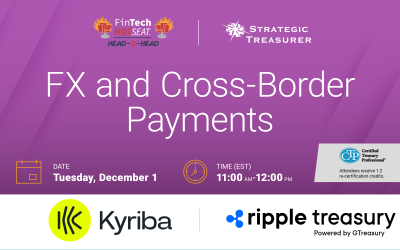
Fintech Hotseat Head-2-Head: FX and Cross-Border Payments | 1 December
Explore how various providers solve critical components of the FX lifecycle through integration, analytics, workflow management, ML/AI, business intelligence, and partnering. The session will address methods of supporting settlement and transparency across the globe.
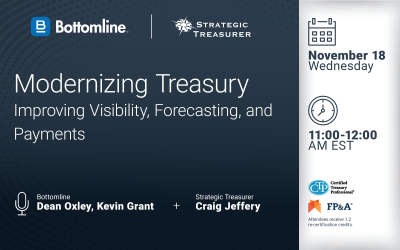
Webinar: Modernizing Treasury: Improving Visibility, Forecasting, and Payments | November 18
This webinar will explore how treasury teams can modernize cash and liquidity management through enterprise-wide access to bank data, more accurate forecasting processes, and greater use of real-time information.
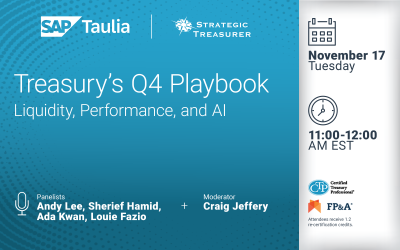
Webinar: Treasury’s Q4 Playbook: Liquidity, Performance, and AI | November 17
This session delivers an actionable blueprint to de-risk refinancing walls, deploy battle-tested working capital maneuvers, and realize value from agentic AI.